House of Islam

House of Islam provides free, accessible Islamic resources for new Muslims, born Muslims, and non-Muslims alike. We don't implement paywalls or subscription fees, and we don't sell or share your data. Access everything here on the website, or download our iOS or Android app.

Our Story

House of Islam started as a simple idea: everyone should be able to learn about Islam without hitting a paywall, a login wall, or a single ad. Whether you're a lifelong Muslim brushing up on your prayers, someone who just took their shahada, or simply curious about the faith, this site - and the apps that go with it - were built for you.

I don't make any money from House of Islam, I don't collect your data, nor do I lock any information behind a paywall.

From the full Quran in over 60 languages to authentic hadith collections, daily prayer times, duas, and a Qibla finder, everything here is free and always will be. No catch.

114 Surahs of the Quran
130+ Quran Reciters
17 Hadith Collections
Free Forever, No Ads

Why House of Islam

Your Privacy Matters

We never sell or share your data with anyone.

6+ Languages

Read the Quran and duas in your own language.

iOS & Android Apps

Take House of Islam with you, wherever you are.

Always Growing

New content, features, and reciters added regularly.

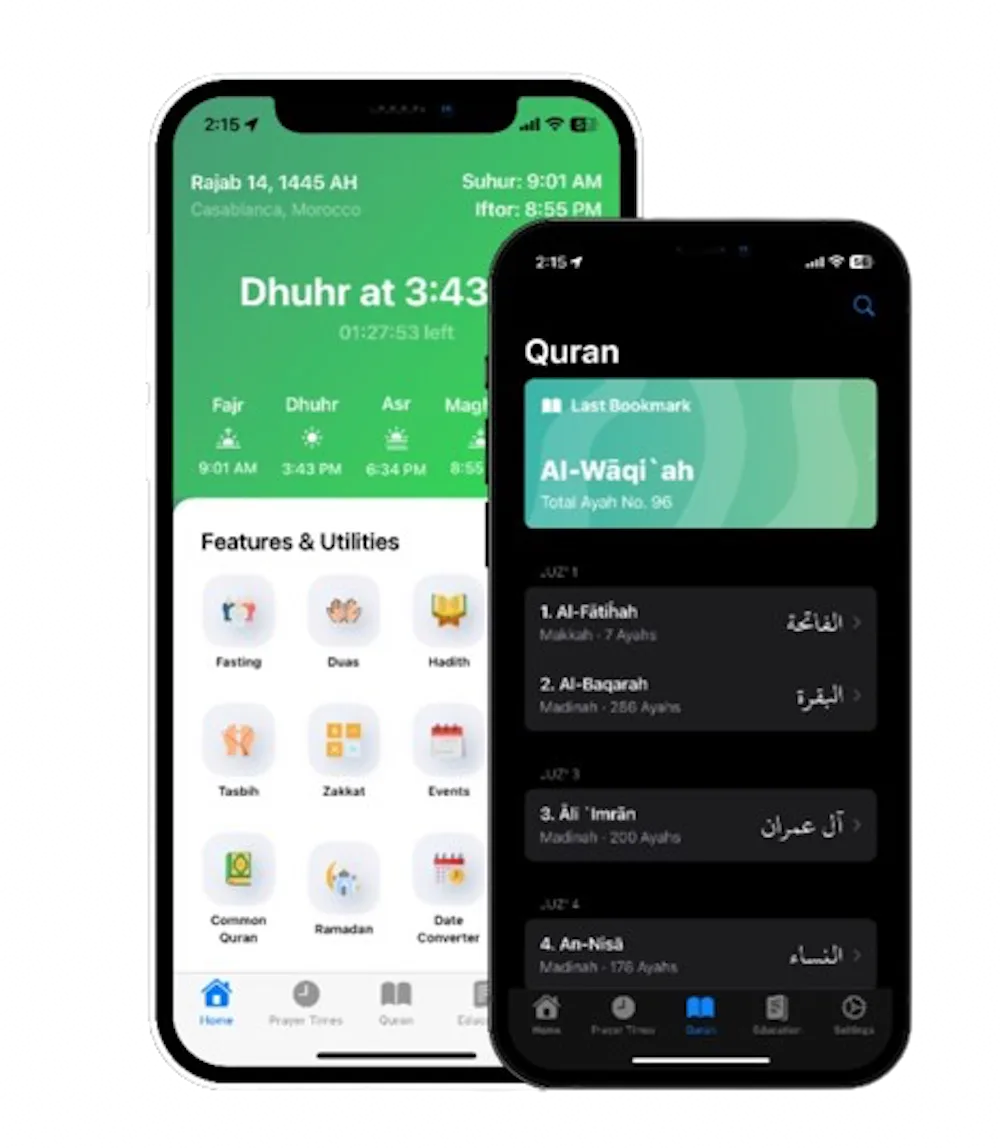
Download the all-in-one Quran app for Apple and Android.

Get accurate Qibla direction and prayer times on the go. Read the Quran in over 60 languages and listen with over 20 reciters. Learn about the Prophets, Angels, Pillars, and much more with our app!

Hadith of the Day

حَدَّثَنَا إِبْرَاهِيمُ بْنُ مُوسَى، أَخْبَرَنَا هِشَامٌ، عَنِ ابْنِ جُرَيْجٍ، وَقَالَ، عَطَاءٌ عَنِ ابْنِ عَبَّاسٍ ـ رضى الله عنهما ـ صَارَتِ الأَوْثَانُ الَّتِي كَانَتْ فِي قَوْمِ نُوحٍ فِي الْعَرَبِ بَعْدُ، أَمَّا وُدٌّ كَانَتْ لِكَلْبٍ بِدَوْمَةِ الْجَنْدَلِ، وَأَمَّا سُوَاعٌ كَانَتْ لِهُذَيْلٍ، وَأَمَّا يَغُوثُ فَكَانَتْ لِمُرَادٍ ثُمَّ لِبَنِي غُطَيْفٍ بِالْجُرُفِ عِنْدَ سَبَا، وَأَمَّا يَعُوقُ فَكَانَتْ لِهَمْدَانَ، وَأَمَّا نَسْرٌ فَكَانَتْ لِحِمْيَرَ، لآلِ ذِي الْكَلاَعِ‏.‏ أَسْمَاءُ رِجَالٍ صَالِحِينَ مِنْ قَوْمِ نُوحٍ، فَلَمَّا هَلَكُوا أَوْحَى الشَّيْطَانُ إِلَى قَوْمِهِمْ أَنِ انْصِبُوا إِلَى مَجَالِسِهِمُ الَّتِي كَانُوا يَجْلِسُونَ أَنْصَابًا، وَسَمُّوهَا بِأَسْمَائِهِمْ فَفَعَلُوا فَلَمْ تُعْبَدْ حَتَّى إِذَا هَلَكَ أُولَئِكَ وَتَنَسَّخَ الْعِلْمُ عُبِدَتْ‏.‏

Narrated Ibn `Abbas: All the idols which were worshiped by the people of Noah were worshiped by the Arabs later on. As for the idol Wadd, it was worshiped by the tribe of Kalb at Daumat-al-Jandal; Suwa` was the idol of (the tribe of) Hudhail; Yaghouth was worshiped by (the tribe of) Murad and then by Bani Ghutaif at Al-Jurf near Saba; Ya`uq was the idol of Hamdan, and Nasr was the idol of Himyar, the branch of Dhi-al-Kala`. The names (of the idols) formerly belonged to some pious men of the people of Noah, and when they died Satan inspired their people to (prepare and place idols at the places where they used to sit, and to call those idols by their names. The people did so, but the idols were not worshiped till those people (who initiated them) had died and the origin of the idols had become obscure, whereupon people began worshiping them.

Sahih al-Bukhari 4920